About Thermo Fisher

Measurement culture for teams that cannot separate instruments from evidence.

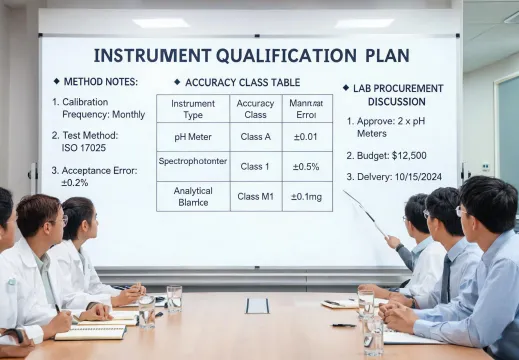
Thermo Fisher is presented here as a laboratory instrumentation partner for organizations that need product selection, calibration scope, documentation, and operating practice to remain connected. The brand voice is intentionally technical and forward-looking, but every claim is anchored in the kind of evidence a quality system can check later.

Mission

Help analytical, inspection, monitoring, and weighing teams specify instruments by application, sustained accuracy, and approval region rather than by catalog familiarity alone. The mission is practical: reduce preventable retesting, shorten qualification discussions, and make the record package understandable for people who did not attend the original selection meeting.

Vision

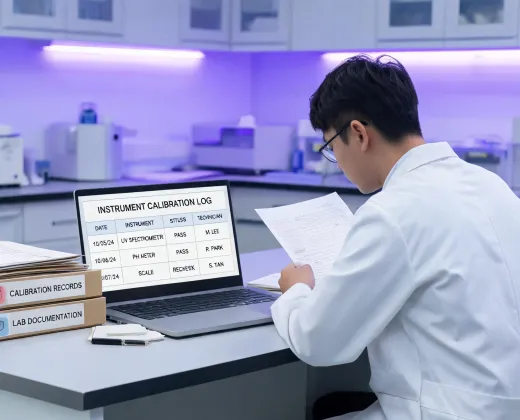
Support laboratories where every result can be traced back through the instrument, method, service interval, operator workflow, and documented approval path. The vision is not a promise of perfect precision; it is a disciplined operating model that recognizes drift, environmental influence, and regional compliance boundaries.

Culture values

How the team makes technical choices visible.

Trace before trust

Every recommendation should explain the traceability chain, including ISO/IEC 17025 scope where it applies and NIST-traceable references where they are the correct language.

Quantify the claim

Accuracy, detection sensitivity, stability, or response time is stated with a number, an operating condition, and a note about the environment where that number can be expected.

Respect regional boundaries

Approvals such as CE, UKCA, FCC, MID, OIML, ATEX, or IECEx are discussed by product and use case, not bundled into broad global compliance language.

Design for audit memory

Documents are written so a future reviewer can understand why the instrument was chosen, which method it supports, and how the service interval was justified.

This culture matters because laboratories often inherit decisions made by another project team, another site, or another budget cycle. A chromatography system, centrifuge, pipette program, X-ray inspection unit, portable gas detector, or precision balance may continue to produce important evidence long after the original buyer has moved on. By keeping selection notes, calibration intervals, service routes, and method assumptions in the same conversation, Thermo Fisher helps the next operator or quality reviewer see the reasoning behind the equipment rather than reconstruct it from scattered records.

Work with the evidence

Bring the instrument question, the method risk, and the audit expectation into one review.

Whether the immediate task is an HPLC workflow, a pipetting program, a balance qualification, an inspection line, or a gas monitoring route, the most useful first conversation is specific. Share the target range, required documentation, sample conditions, and service constraint so the recommendation can be measured against the way your site actually operates.

Request a Traceability Review

Share the range, accuracy class, sample type, approval region, and calibration interval you need covered.

By submitting this request, you agree that Thermo Fisher may use the details to respond under the Privacy Policy.