Instrument layer
HPLC, spectrophotometry, microscopy, centrifugation, pipetting, inspection, gas monitoring, and weighing platforms are compared by method fit, accuracy statement, and service pathway.
Thermo Fisher technology planning is written for teams that need more than a product feature list. The practical question is how a measurement travels from sample preparation to instrument response, from software record to service interval, and from internal review to external audit. This page organizes that chain so a technical buyer can see where risk enters the workflow.
HPLC, spectrophotometry, microscopy, centrifugation, pipetting, inspection, gas monitoring, and weighing platforms are compared by method fit, accuracy statement, and service pathway.
Readings, audit trails, chromatograms, sample IDs, and qualification records need consistent naming so a result remains understandable after the original operator has moved on.
Intervals, ISO/IEC 17025 scope, NIST-traceable references, and site workload are handled as operating inputs rather than generic certificates attached after installation.
Technical teams receive selection notes that explain why a category fits a method, which constraints still need review, and what evidence must be maintained.
The innovation_leader persona for this site emphasizes technology, but the content remains careful about measurement language. It does not claim zero drift, universal compliance, or calibration-free operation. Instead, it explains how the technology stack helps teams keep the important numbers and approval boundaries visible. That matters when a laboratory expands from one site to several, when a validated method is transferred, or when a production quality team needs to connect inspection evidence with broader laboratory results.
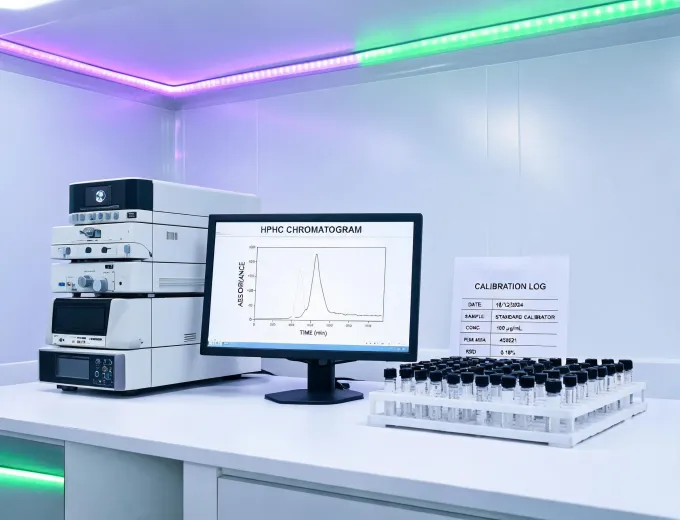
A buyer may remember why an instrument was selected, but a future auditor or replacement operator needs records that stand on their own. The technology page therefore highlights controlled method notes, calibration-linked service history, documented training, and category-level selection logic. Those records help prevent repeated qualification work and keep discussions factual when a result is challenged.
For regulated laboratories, the highest-value technology is often the combination of instrument capability and documentation discipline. A high-resolution detector, a stable balance, or a repeatable pipetting platform becomes more useful when the surrounding software and service plan explain how the reading was produced, reviewed, and maintained.
Send the method context, target accuracy, sample matrix, and approval region. The response can then focus on the technology layer that matters most for the decision instead of sending a generic catalog path.